UG
Ulrich Gall
The Changing Face of Santa Ana
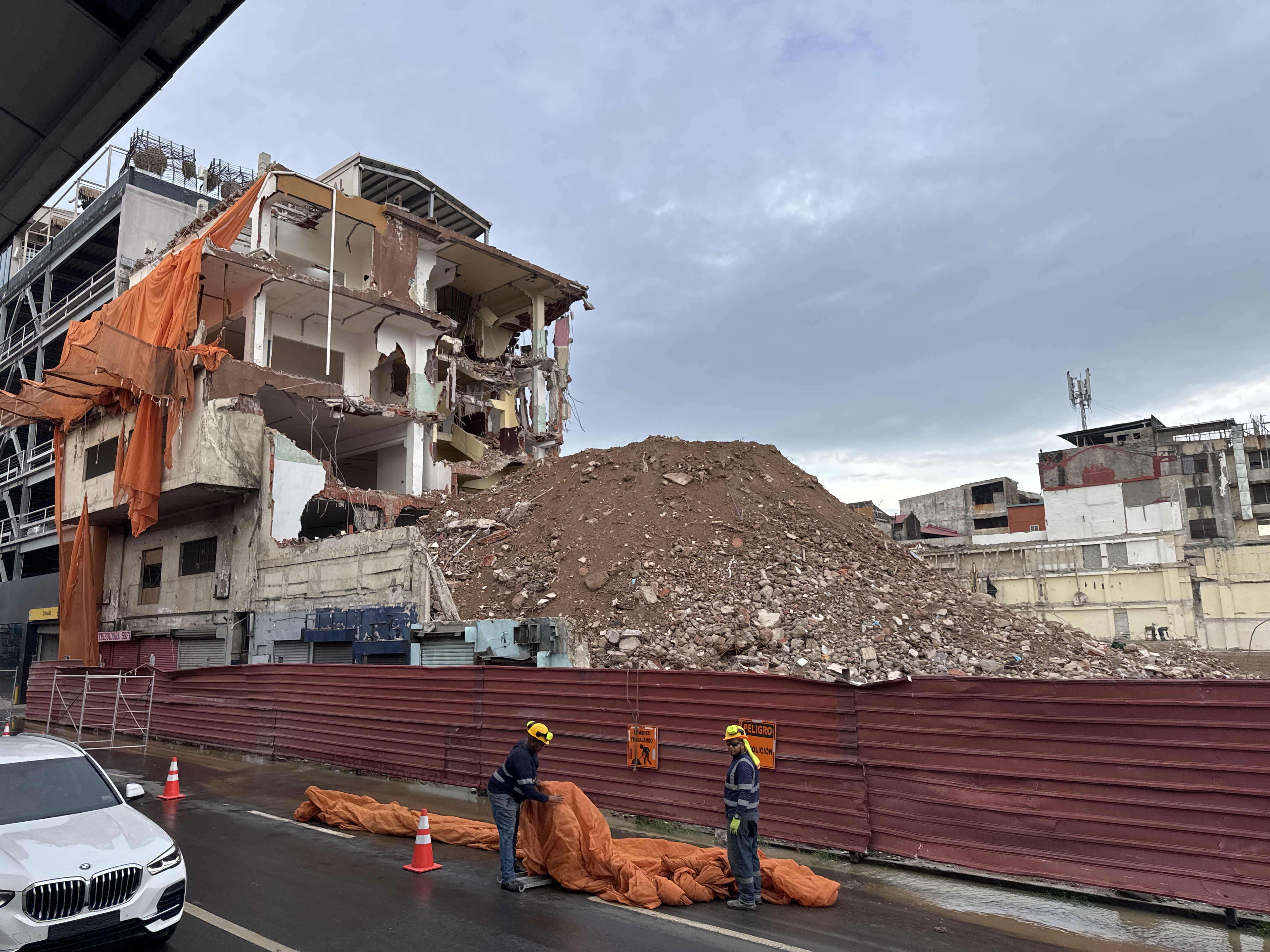
This scene is a striking visual reminder of the dramatic transformation currently reshaping the boundary between Panama City’s modern skyline and its colonial history. While the orange tarps and piles of rubble might look like simple neglect or destruction, they are part of a massive urban revitalization project connecting the historic Casco Viejo district with the bustling Mercado de Mariscos area.
The building partially standing is a relic of Panama City’s 20th-century expansion. For decades, this area—bordering Santa Ana and San Felipe—served as a dense commercial hub. However, as the nearby Casco Viejo transformed into a UNESCO World Heritage site and a high-end tourist destination, the "buffer zones" like this one have faced intense pressure. The demolition is likely making way for improved infrastructure or new mixed-use developments designed to bridge the gap between the gritty, authentic local markets and the polished colonial quarter.
You might notice the yellow and orange signs on the red corrugated fence. The sign on the right says "PELIGRO" (Danger) and "DEMOLICIÓN" (Demolition), which is a common sight in this part of the city as older, structurally unsound concrete tenements are systematically cleared. The orange mesh draped over the side of the building is a safety measure intended to catch falling debris—a "debris curtain"—though its weathered state suggests the project has been ongoing through several tropical rainstorms.
Workers in the foreground are likely part of the "Cuadrillas" or work crews managed by the municipality or private contractors. Their presence indicates that despite the chaotic appearance of the rubble pile, the site is active. This specific neighborhood, Santa Ana, was historically the "suburb" where the working class lived outside the walled city of the elites. By observing this demolition, you are essentially watching the physical removal of that historical boundary as the city attempts to modernize and "clean up" the access routes to its most famous landmarks.
Gentrification at the Edge of Santa Ana
The neighborhood of Santa Ana, bordering Casco Viejo, is currently undergoing a process of rapid "revitalization" that frequently blurs the line between urban renewal and forced displacement. This specific site near the Mercado Público San Felipe Neri sits on the edge of Panama City's historic district, where high-value real estate demand creates a stark physical contrast between crumbling 20th-century tenements and modern luxury developments.
The orange netting and demolition rubble often signify the removal of "condemned" buildings—frequently occupied by low-income families for generations under informal tenancy. In Panama, the government and private developers utilize a process called *desahucio* (eviction) to clear these structures, citing safety concerns or historic preservation mandates. This has led to significant social tension and "gentrification by demolition," pushing original residents toward the city’s peripheral housing projects in areas like Arraiján or Chorrera, which lack the central connectivity and economic opportunities found here at the city's traditional core.
Urban Transformation in Santa Ana
Demolition site at the edge of Casco Viejo, Panama City’s historic district. Part of a massive urban renewal project transitioning the area from neglected colonial-era ruins and mid-century concrete into luxury real estate and gentrified commercial space.
The orange tarps are "mallas de seguridad," standard debris catchers in Panamanian construction to prevent rubble from hitting high-traffic pedestrian zones like Avenida Balboa. The exposed rebar and crumbling masonry highlight the "burbuja inmobiliaria" (real estate bubble) dynamics: high-value land versus aging, salt-air damaged infrastructure.
Historically, this border between Santa Ana and San Felipe was the divide between the elite "walled city" and the "arrabal" (the poorer suburbs). Recent years have seen aggressive displacement of local residents as foreign investment drives redevelopment. Expect archaeological monitoring nearby; Panama City was founded in 1519, and demolition often unearths colonial foundations or 19th-century trash pits containing imported European ceramics and glass.